
Application Note · Cleanroom HVAC
Cleanroom HVAC for Lithium Battery Production: What the Air Side Has to Deliver
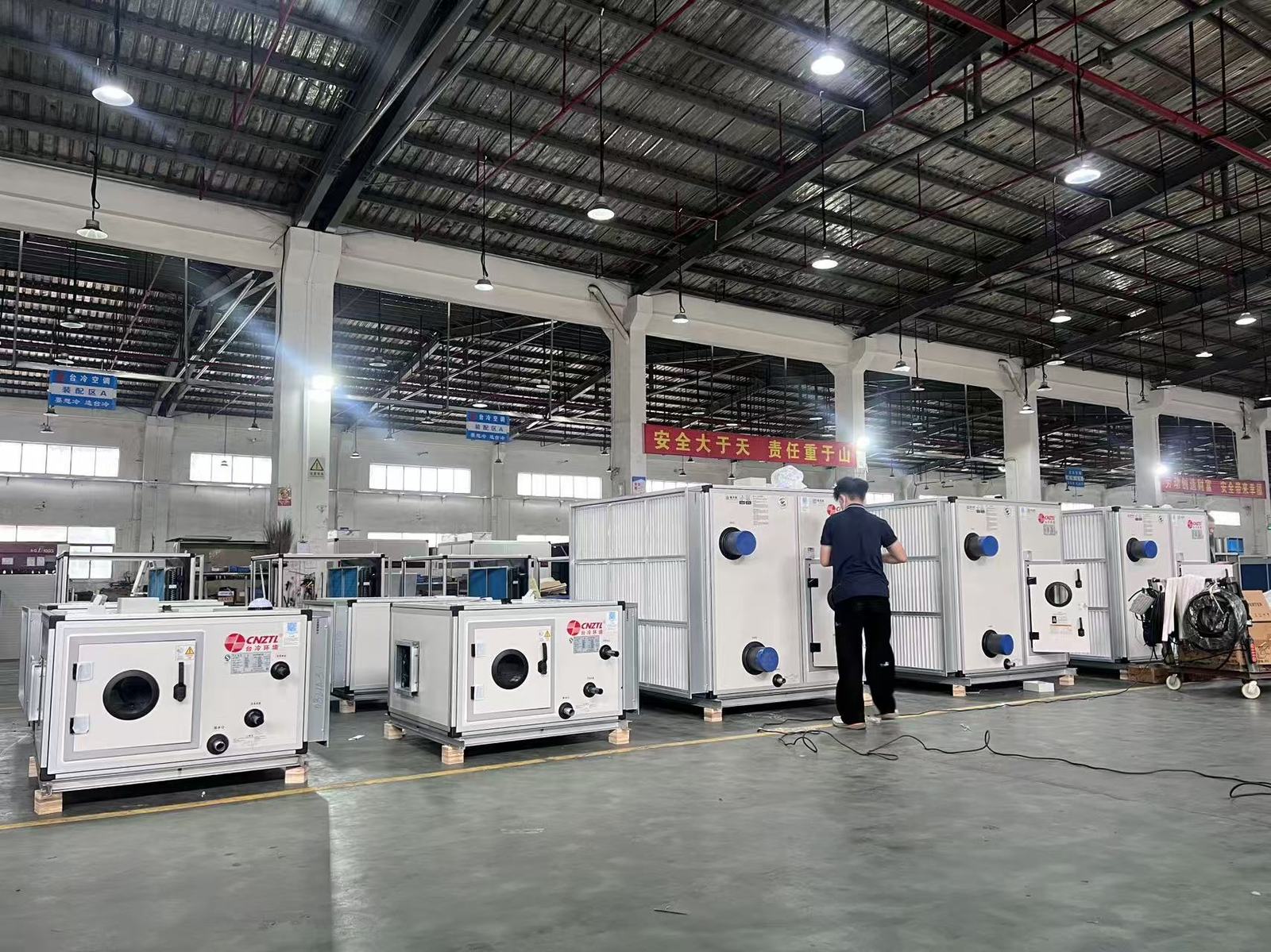
Lithium battery production is one of the most demanding cleanroom applications in industrial HVAC. Cell assembly and formation areas need stable temperature and humidity, low casing air leakage, and a pressure cascade that keeps particles and moisture out of the wrong zone — continuously, at production scale, for years.
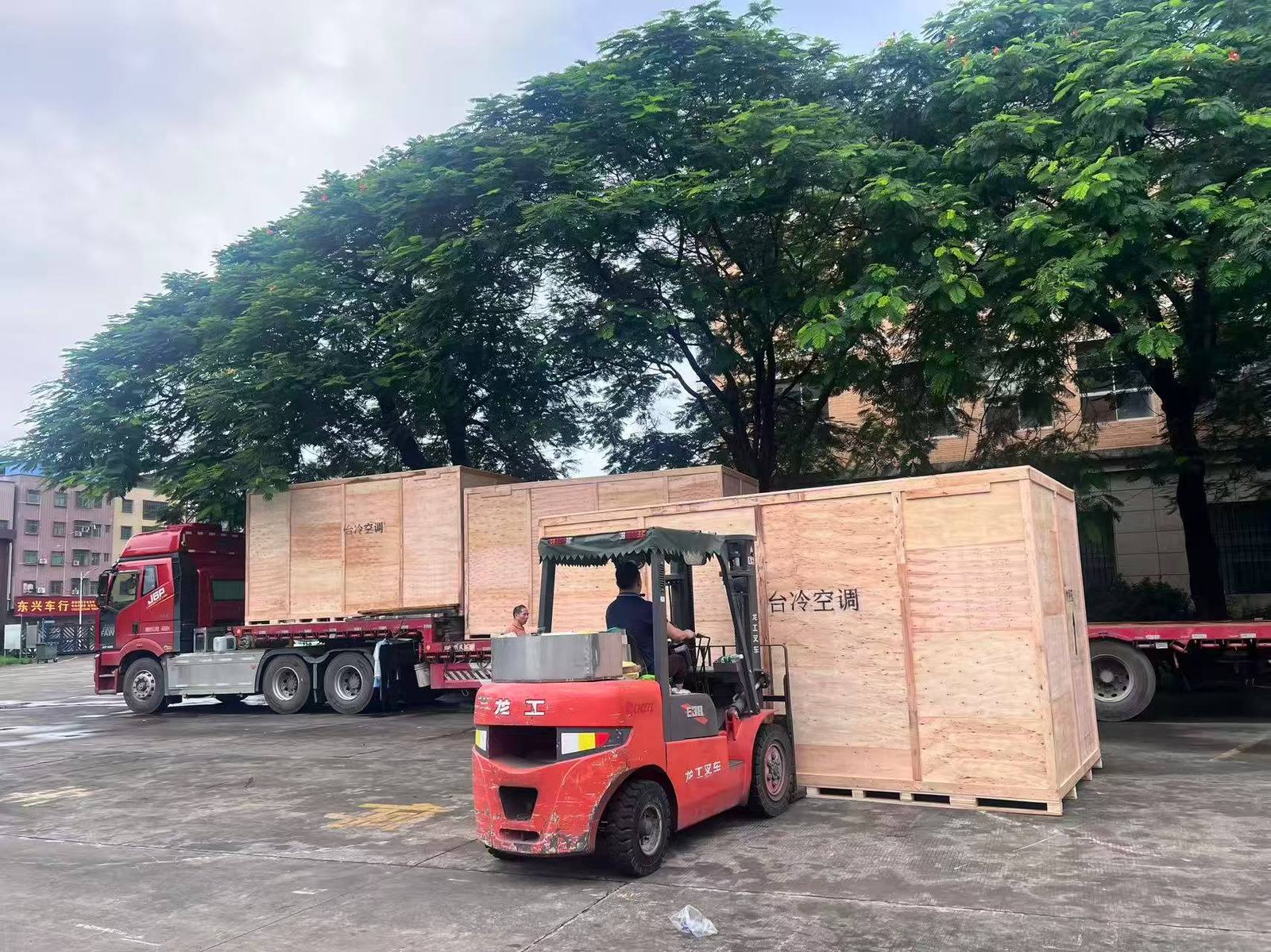
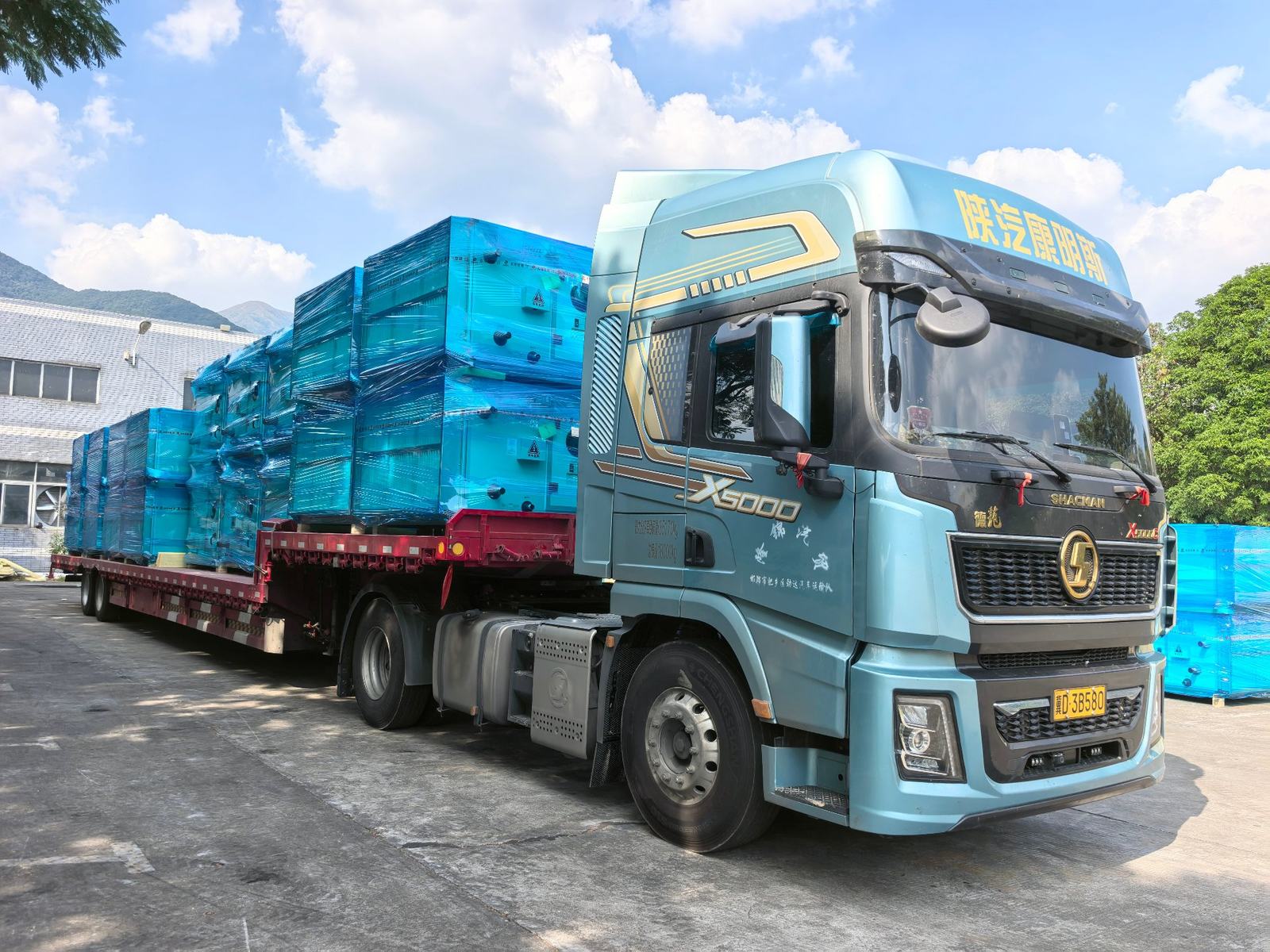
Taile has supplied cleanroom-classified air handling systems to battery production bases in China. The requirements repeat from plant to plant, so the specification lessons are worth writing down.
What the application demands
High-specification battery cleanrooms put four demands on an air handling system at the same time:
- Thermal bridging and air leakage. Any cold bridge on the casing wastes energy and creates condensation risk inside the unit. Specify casing leakage, thermal-bridge and insulation performance against the applicable project standard, and request the supporting technical documentation before selection — panel joint detail, thermal break between frame and skin, and the leakage class the unit is tested to matter more than any description of them.
- Past the brochure. Casing leakage and thermal figures are only worth what the test report behind them is worth. Ask which standard the unit was tested to and for the report that covers the model you are actually buying, rather than a datasheet number that was carried over from another size.
- Cleanroom compatibility. Flat, smooth interior walls suitable for ISO Class 7 to 8 production zones (the common Class 10,000 to Class 100,000 levels in battery plants), with surfaces that clean down easily.
- Drainage that survives winter. Coils drain from the lowest point of the pan through a low-position drain valve, so water empties completely and cannot freeze and crack the coil in a cold climate.
How the air side is put together
The air side of a battery cleanroom is normally built from combined air handling units: filter sections, cooling and heating coils, fan sections and, where the process needs it, desiccant or heat-recovery sections in one casing. Each production zone gets its own unit or unit group, and the supply, return and exhaust volumes are set so that the pressure cascade holds between the cleanest room and the spaces beside it.
Optional control cabinets add live monitoring of temperature, humidity and valve positions, with alarms on fan and filter status, so the plant's maintenance team sees a drifting filter weeks before it becomes a stopped line.
What this means for battery and new-energy buyers
If you are planning HVAC for a battery plant or another cleanroom-classified facility, three points are worth taking into your own specification:
- Ask for casing leakage and thermal bridging data, tied to a named standard. Casing leakage is where cleanroom air systems quietly lose their humidity control and their energy budget. A leakage class written into a tender is a concrete line to hold a supplier to; a claim of "European standard" is not.
- Design the drainage for the coldest day, not the average one. A coil that cannot drain fully is a coil waiting to freeze. Low-position drains are a small detail with an expensive failure mode.
- Check how a supplier is selected for a second phase. A first contract proves a supplier can quote. Being selected again on the same site proves they can deliver, commission and support.
Key points
- Application: cleanroom-classified production areas in lithium battery plants
- Scope: combined air handling units with filtration, coil and fan sections
- Casing performance: leakage class, thermal-bridge and insulation values declared against the applicable project standard, with the test documentation supplied on request
- Room class: ISO Class 7 to 8, with a controlled pressure cascade between zones
- Selection basis: zone schedule, duty point and drawings — not a catalogue model number
About Taile
Shenzhen Taile Air Conditioning Equipment Co., Ltd. manufactures industrial and commercial central air conditioning equipment, including combined air handling units, water-cooled and air-cooled chillers, constant temperature and humidity units, data center cooling, dual-wheel desiccant dehumidification systems and fan coil units. The company supplies new-energy, precision manufacturing and medical cleanroom projects in China and exports worldwide.
Specifying HVAC for a battery plant or cleanroom?
Send your zone schedule and target class. We will come back with a certified air-side configuration and a project proposal.