
Technical Guide · Desiccant Dehumidification
Desiccant Wheel Dehumidifiers: Specifying Low-Dew-Point Dehumidification for Industrial Processes
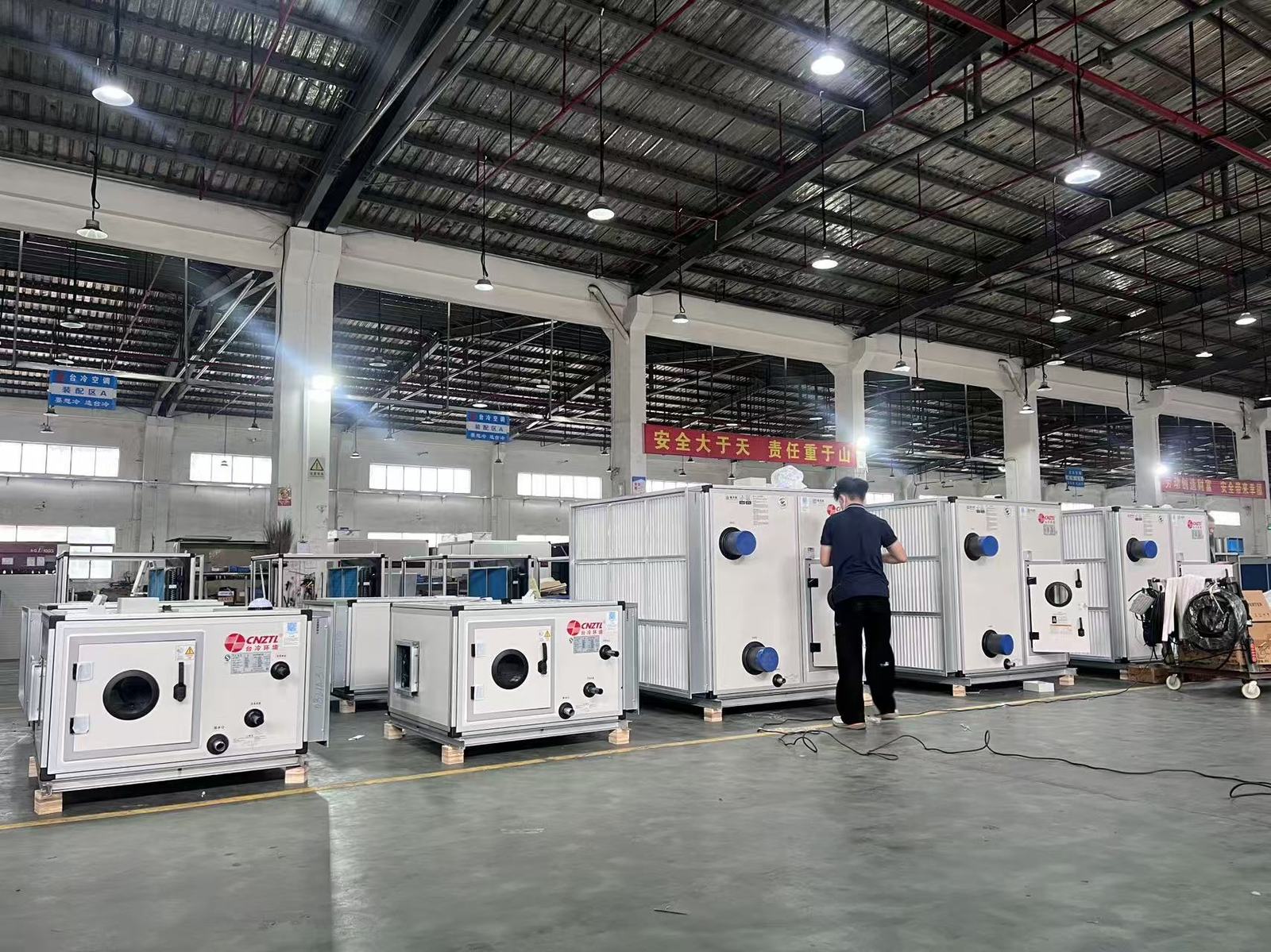
When a process specifies a low supply-air dew point, a cooling coil alone may not meet the moisture target under the design inlet conditions. A rotary desiccant wheel can be considered alongside pre-cooling and post-cooling for applications such as battery dry rooms, pharmaceutical spaces and precision manufacturing. The equipment arrangement must be selected against the actual load and utility conditions.
The principle is simple and reliable: a slowly rotating wheel carries a solid desiccant between two air streams. Process air gives up moisture to the wheel; a hotter regeneration stream drives that moisture back out so the wheel can adsorb again. What separates a well-specified unit from an under-performing one is not the wheel itself but how the heat, the seals and the air conditions around it are chosen.
Where a desiccant wheel fits, and where a coil is enough
The target dew point, inlet air condition, moisture load and available utilities should be assessed together. Cooling coils may be sufficient for some applications. More demanding low-moisture processes may need a desiccant stage, with pre-cooling and post-cooling considered as part of the overall system. No single dew-point threshold or wheel count is suitable for every project.
- Cooling coil: evaluate its achievable leaving-air condition against the chilled-water temperature, coil design and moisture load.
- Single desiccant wheel: assess regeneration energy, seal leakage and the required outlet condition for the specific duty point.
- Multiple stages: consider only where a documented load calculation and equipment data show that a single stage is insufficient.
The four choices that decide performance
Four design choices deserve particular attention when specifying a rotary desiccant dehumidifier:
- Regeneration heat source and temperature. The regeneration air must be hot enough to drive moisture off the desiccant. Steam, electric heating and direct or indirect gas are all used; the right choice depends on what energy is already on site and what the process can tolerate. A regeneration temperature that is too low leaves the wheel partly loaded and erodes the dew point it can actually hold.
- Air seal and leakage. The process side and the regeneration side must stay separated, otherwise humid regeneration air leaks back into the dry supply stream and quietly raises the exit dew point. Ask how the wheel seals are arranged and what carry-over is specified, not just the wheel diameter.
- The dew point floor, stated as a number. A specification that only says “dry” cannot be verified. Write the target exit dew point as a value and the design inlet conditions as a pair (temperature and moisture content), then hold the supplier to the combination.
- Pre- and post-cooling arrangement. Pre-cooling the process air with a coil before the wheel removes the bulk moisture cheaply and lets the wheel do the fine work; post-cooling brings the dry air back to a usable supply temperature. Leaving either out pushes more load onto the wheel and the heater than the duty was sized for.
What to put in your specification
If you are buying a rotary desiccant dehumidifier, five lines of data will get you a proposal that matches the room instead of a catalogue model. Gather these before you send an inquiry:
- Process air volume (m³/h or CFM) and the target exit dew point (°C).
- Design inlet conditions: summer temperature and moisture content, plus the worst case you expect in a rainy or humid season.
- Room dimensions, construction and the number of air changes the process needs.
- The internal moisture load: people, open liquid surfaces, and any material the process introduces.
- Available utilities for regeneration: steam pressure, electrical capacity, or gas.
These inputs support an initial engineering discussion. Final equipment selection and any performance commitment require a project-specific calculation and agreed design conditions.
Key points
- Tool: rotary desiccant dehumidifier for low dew point industrial dehumidification
- Selection trigger: compare the required dew point with a coil-only design under actual inlet and utility conditions
- Wheel stages: determine the arrangement from a documented load calculation and relevant equipment data
- Four levers: regeneration heat source, seal leakage, stated dew point floor, and pre-/post-cooling arrangement
- Selection basis: process air volume, target dew point, inlet conditions and available utilities — not a catalogue model
About Taile
CNZTL 台冷 presents industrial and commercial HVAC applications, including air handling, temperature and humidity control, chillers and project-specific system selection. Discuss the required duty conditions with Kalyn Wang before treating any configuration as a project commitment.
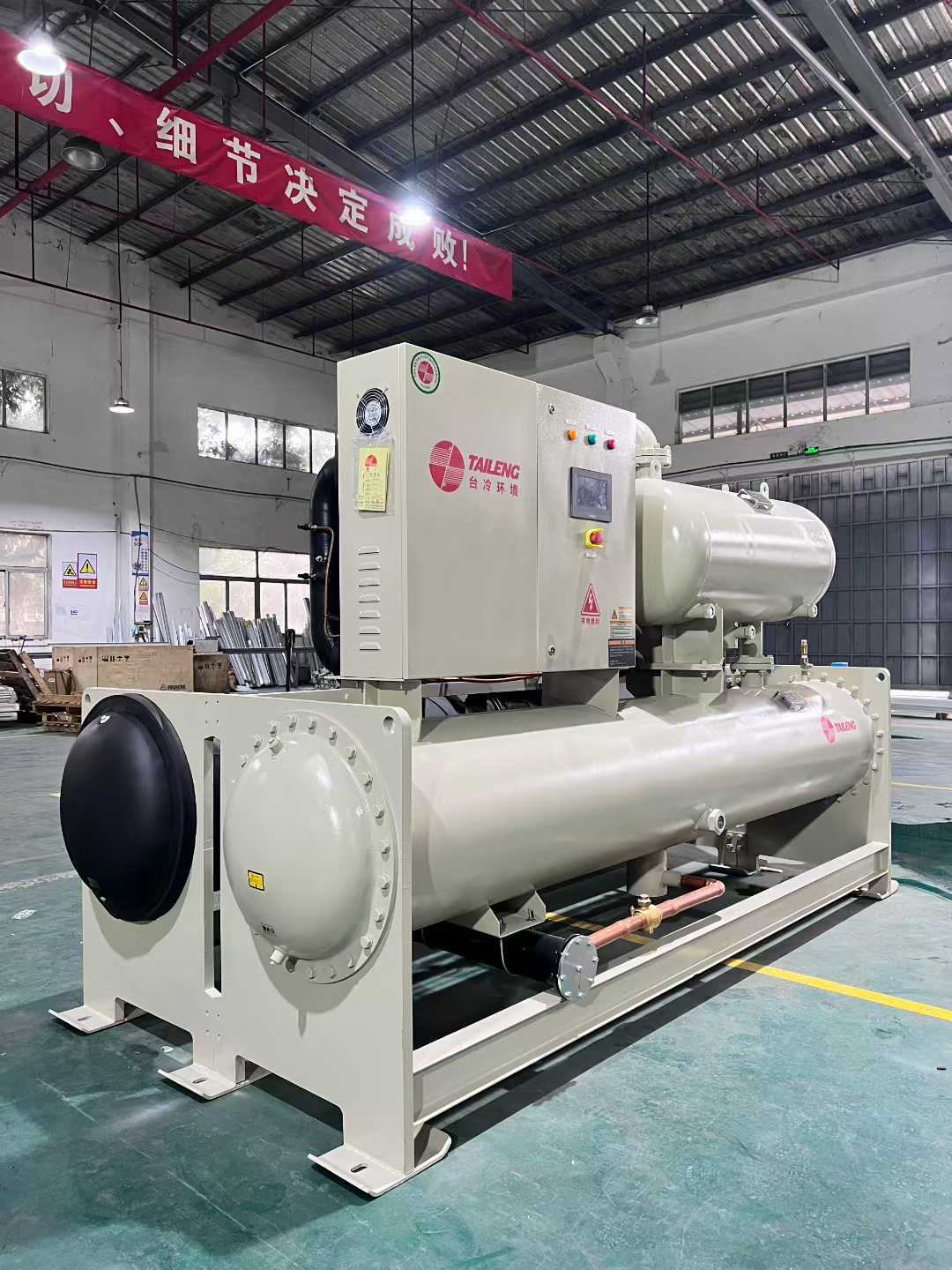
Planning a low-dew-point dry room or dehumidification line?
Send your target dew point and inlet conditions to discuss a project-specific technical selection. You can also review our cleanroom and humidity-control application.