
Air systems where the number on the drawing is a class and a control band, not a room temperature. Filtration train, pressure cascade, coil and humidity control are designed together, then built into the unit.
Each of these has a different failure mode. A cleanroom that loses pressure cascade is a compliance problem; a drying room that drifts on dew point is a scrap problem.
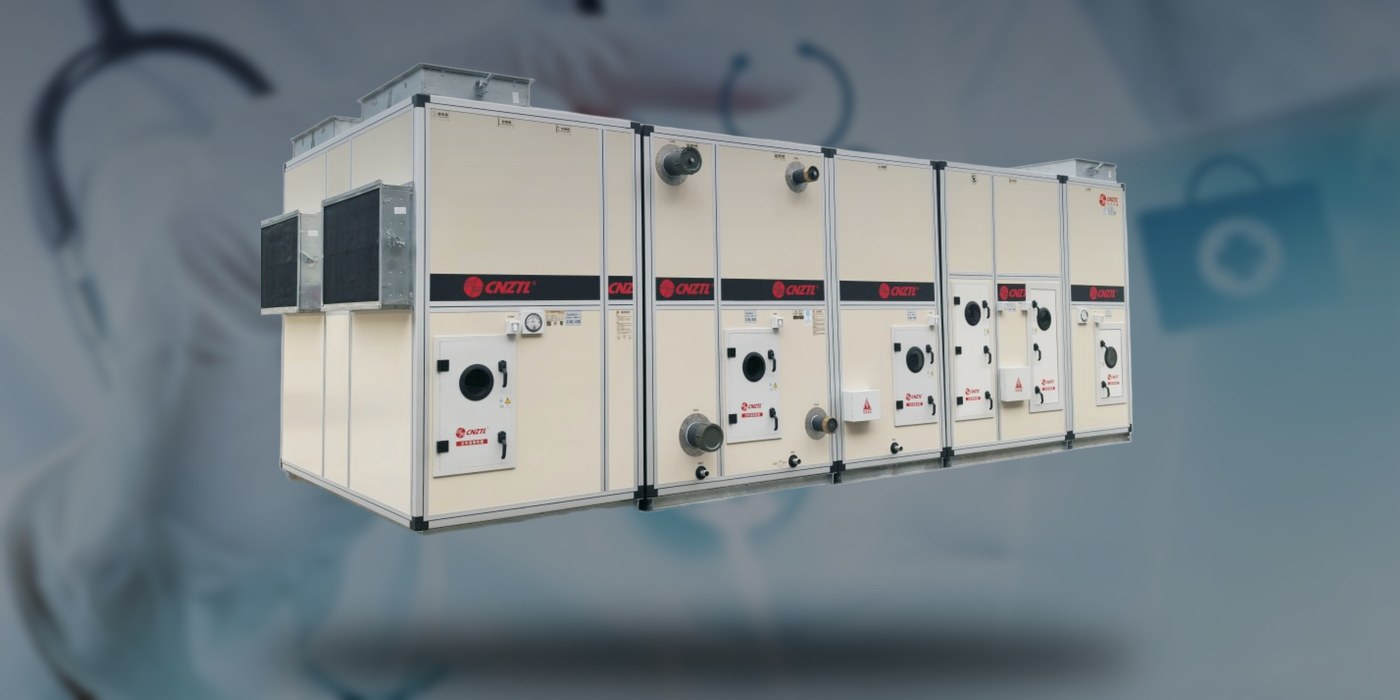
A cleanroom unit is a sequence of sections in a casing. The engineering work is deciding the sequence, the class of each component and where the access doors go.
None of this is needed to open a conversation. It is the working list once a class map or a specification section arrives.
| Cleanliness | Target class per zone, pressure cascade, air-change rate or the specification reference |
|---|---|
| Control band | Temperature set point and tolerance, relative humidity set point and tolerance, or dew point |
| Internal load | Process heat and moisture release, occupancy, exhaust volume, make-up air |
| Site | Design ambient, altitude, available plant space, power supply, noise limit |
| Air side | Supply air volume, external static pressure, duct connection sizes, return path |
| Documents | Class map, drawings, equipment schedule, specification, BOQ — any format |
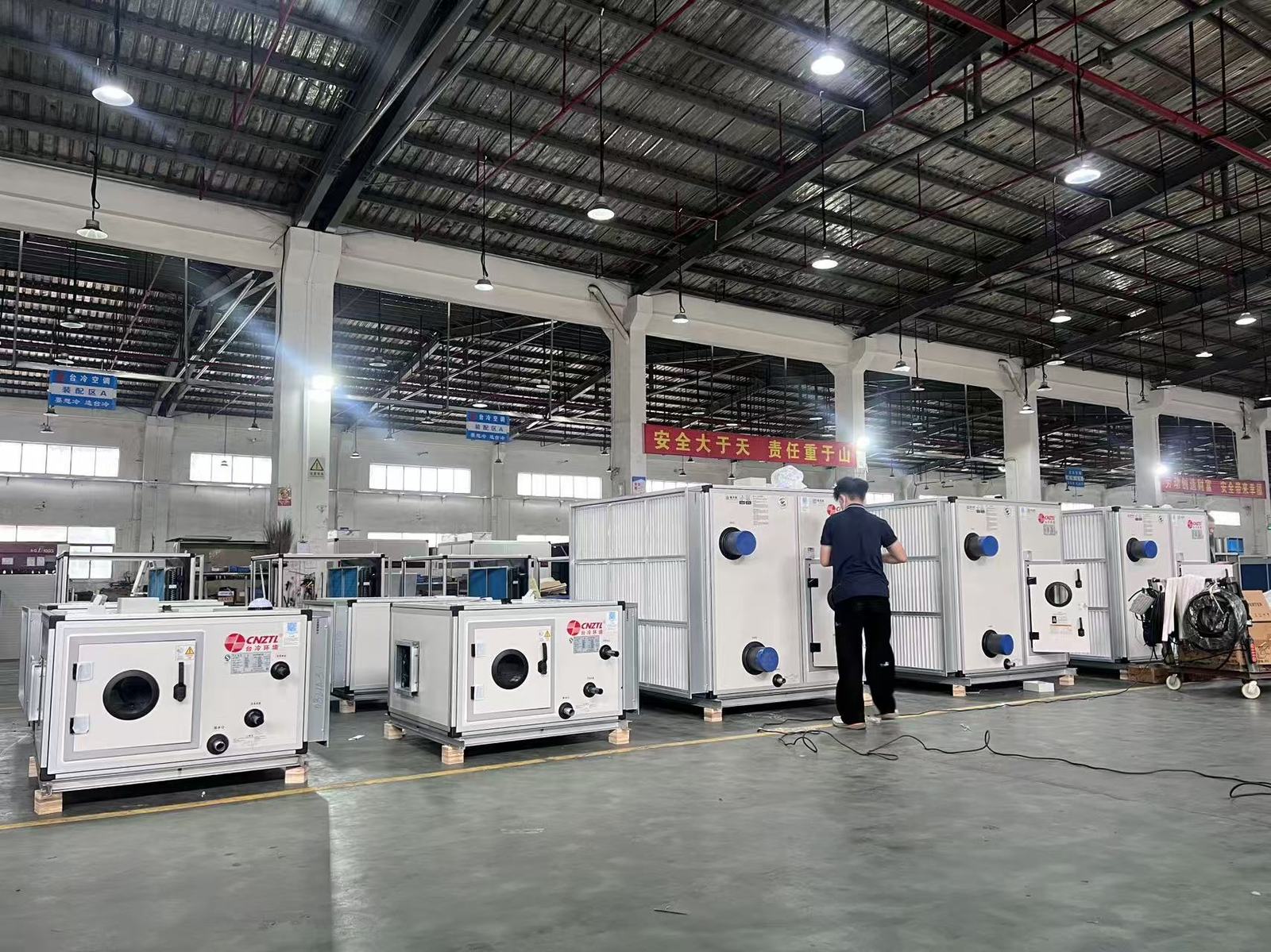
Clean-air units are assembled and inspected at our Huizhou base. What travels is a finished unit with its own documentation, not a kit of parts.
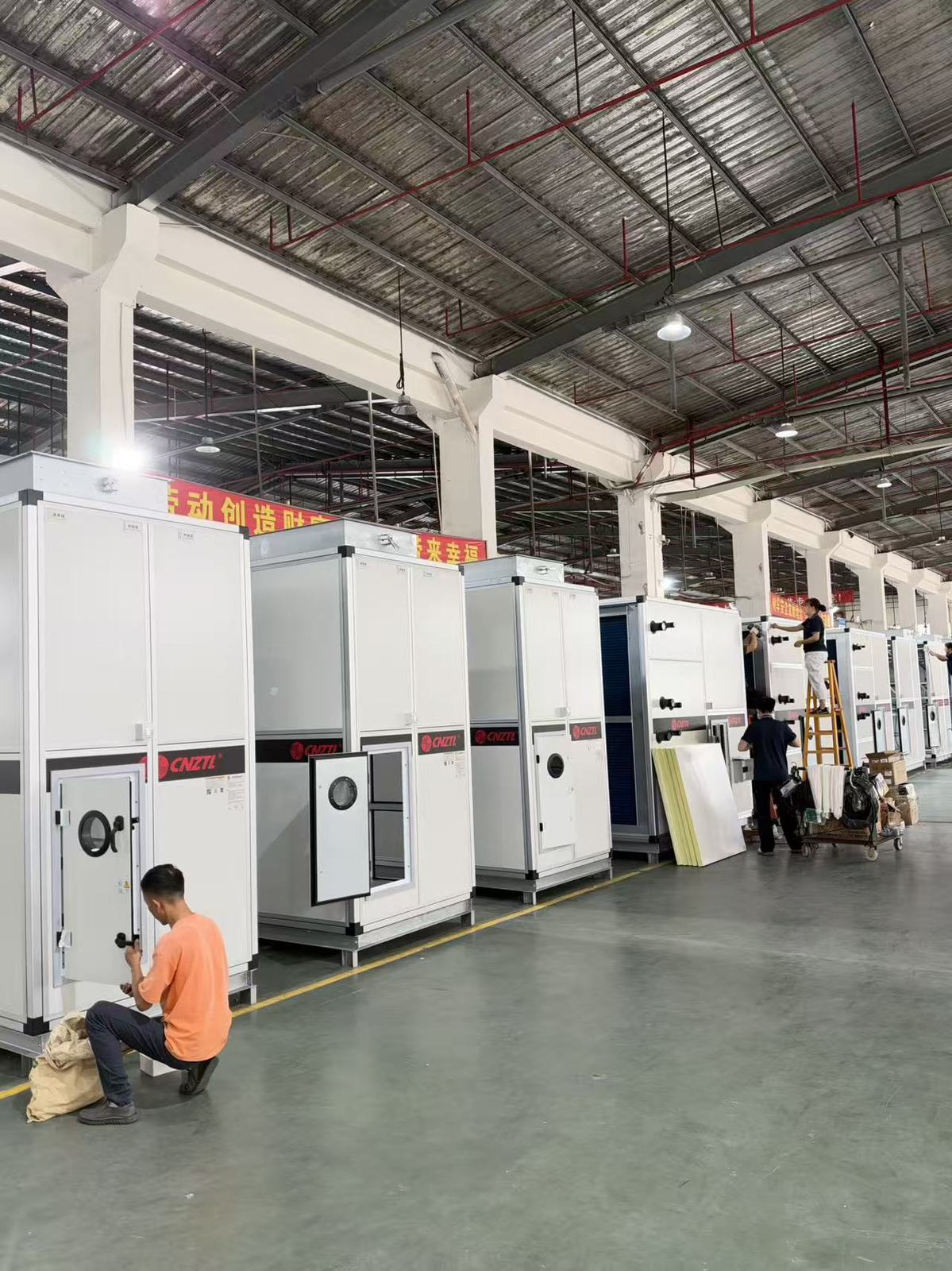
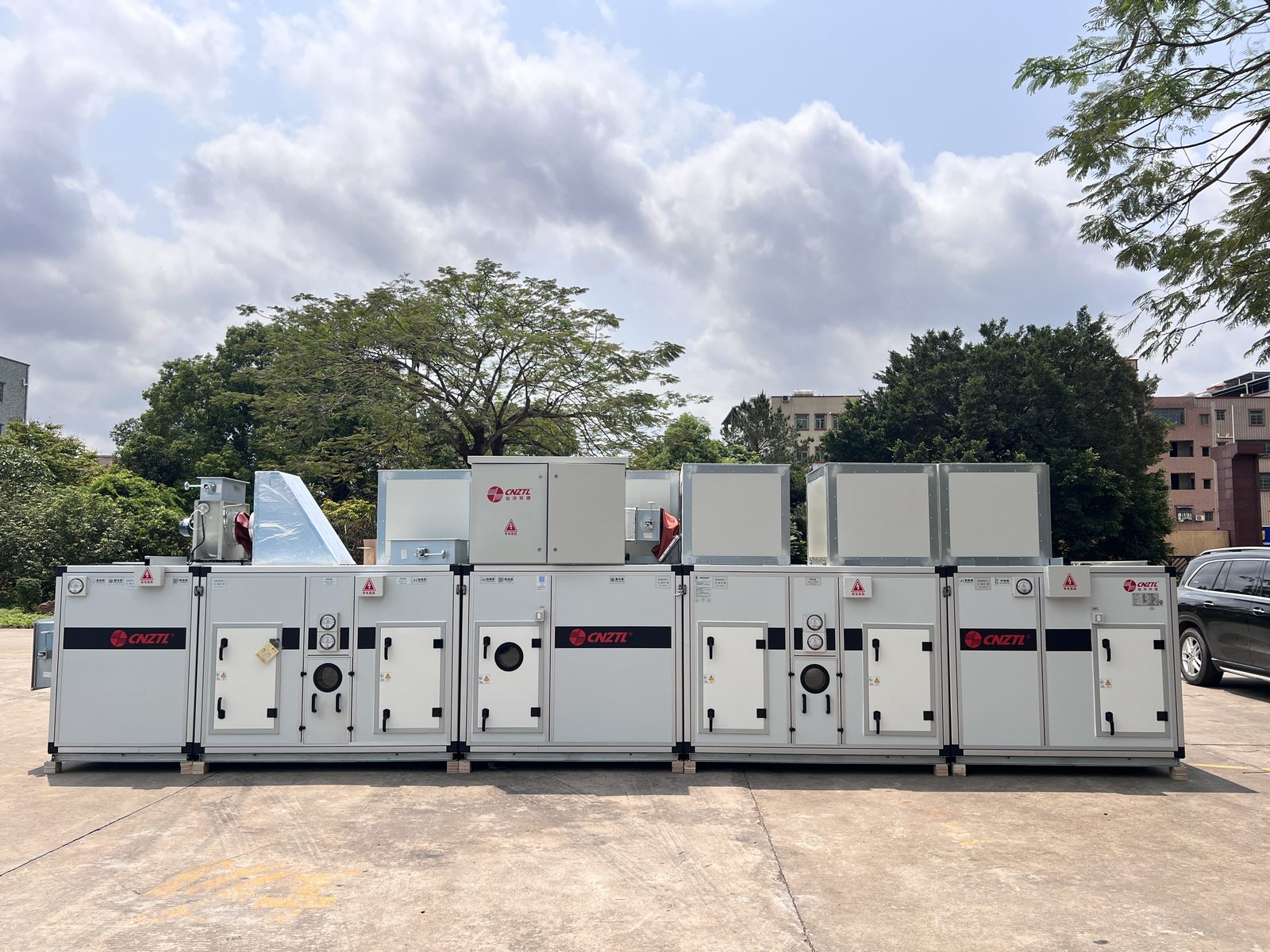
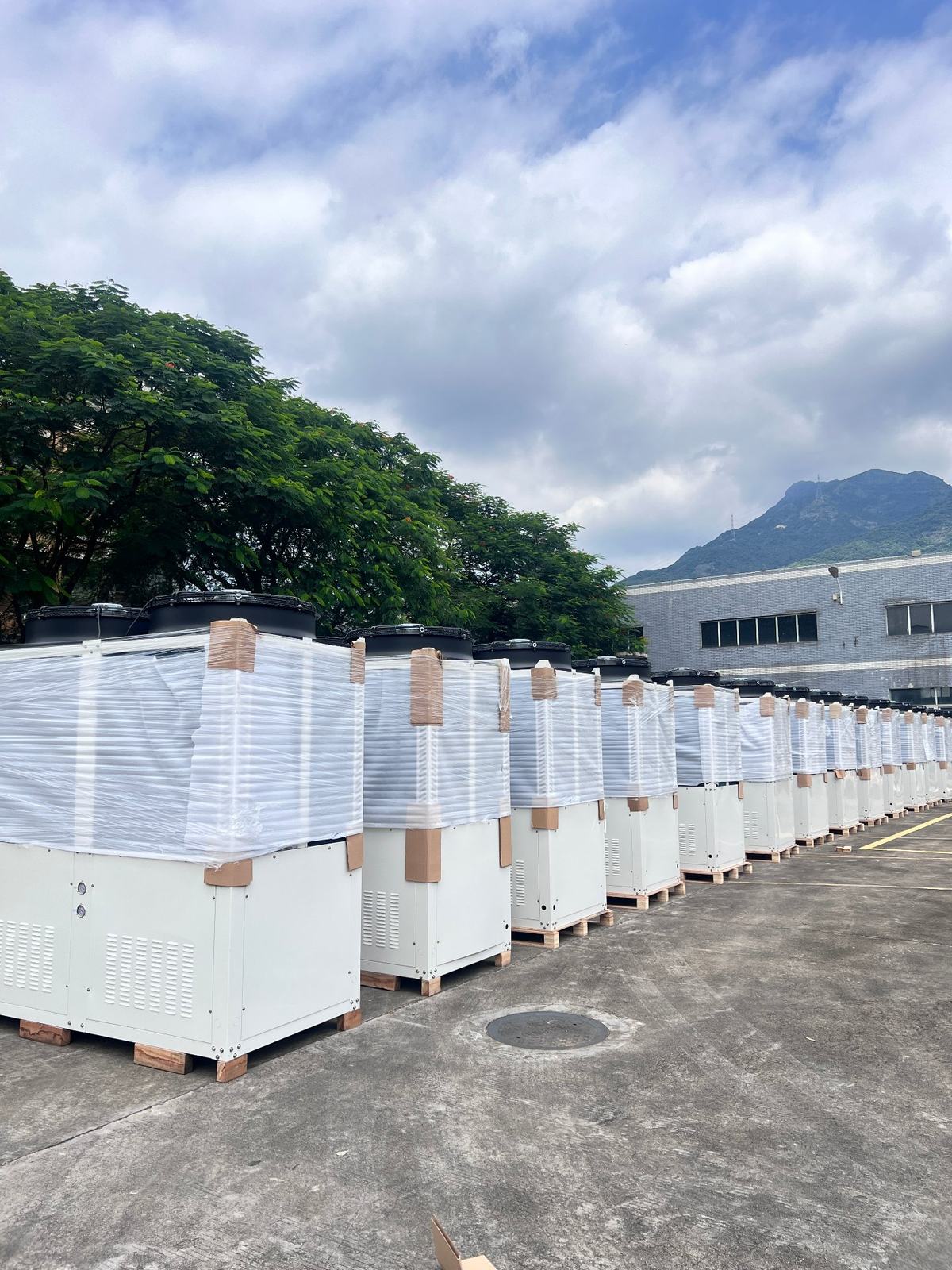
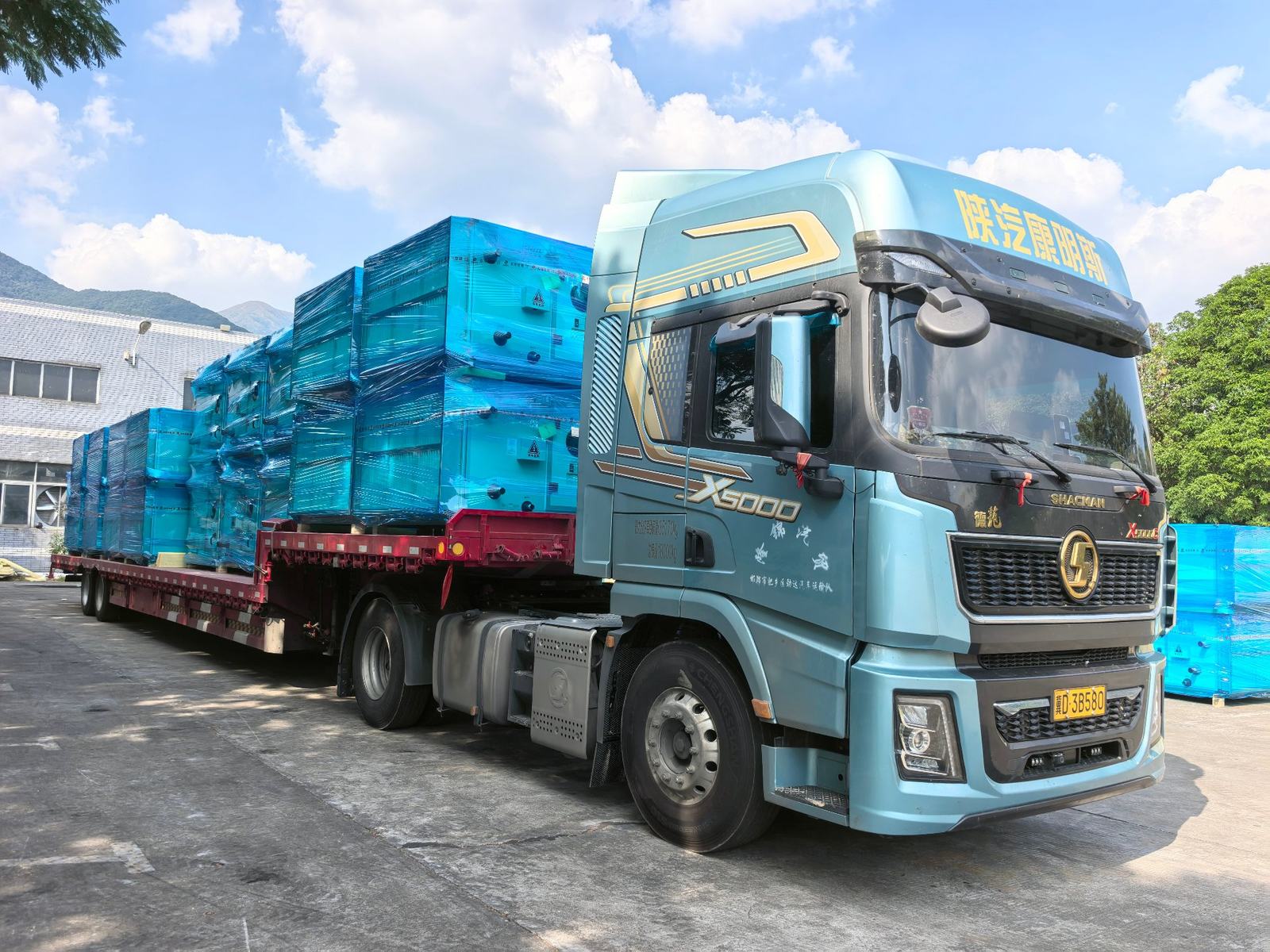
Documentation we can provide on request: unit drawings, selection data, filtration schedule, control points list and the certification documents that apply to the supplied scope.
Give us the target class, the control band and the process inside the room. Our engineers will come back with the air-side configuration, the questions that still need answering, and a custom proposal.