
A server room is not a comfort space. The load is almost entirely sensible heat, the room runs unattended, and the equipment has to hold a band rather than a temperature. Precision cooling is selected on sensible heat ratio, control bandwidth, airflow path and redundancy — then the chiller plant behind it is sized for the part-load hours that actually dominate the year.
Each of these fails differently. A server hall drifts out of band slowly; a telecom cabinet fails at the hottest hour of the year; a battery room fails for reasons that have nothing to do with temperature.
Two rooms with the same IT load in kW can need very different equipment. These are the variables our engineers work through once the load and the room are known.
None of this is needed to start a conversation. It is the list that turns a first reply into a selection you can put in a tender.
| IT load | Total kW, rack density, expected growth, diversity across the year |
|---|---|
| Control band | Temperature and humidity setpoints with the allowed tolerance, and how tight the room actually has to hold |
| Room | Dimensions, ceiling height, raised floor or not, containment arrangement, aisle layout |
| Redundancy | N+1 or higher, unit count, dual-circuit requirement, changeover expectation |
| Plant | Chilled-water supply and return temperature, temperature difference, available plant space, air-cooled or water-cooled |
| Site | Design ambient, altitude, power supply, noise limit at the nearest receptor |
| Documents | Layout, equipment schedule, specification section, load calculation — any format |
The four questions that come up before a data centre inquiry turns into an equipment schedule.
Not properly. Racks produce almost entirely sensible heat, so the unit has to run at a high sensible heat ratio. A comfort unit spends a large part of its capacity condensing moisture out of the air and then re-humidifying to hold the setpoint, which wastes energy and still leaves the room drifting. A dedicated precision unit is selected at the design return air condition instead of a generic rating point.
Room dimensions and ceiling height, whether there is a raised floor, total IT load in kW with the expected growth, the temperature and humidity setpoints with the allowed band, the airflow path (downflow, upflow or ducted), the redundancy requirement, the power supply, and the site ambient condition. Drawings, an equipment schedule or a specification section are all acceptable formats; none of it is needed to open a conversation.
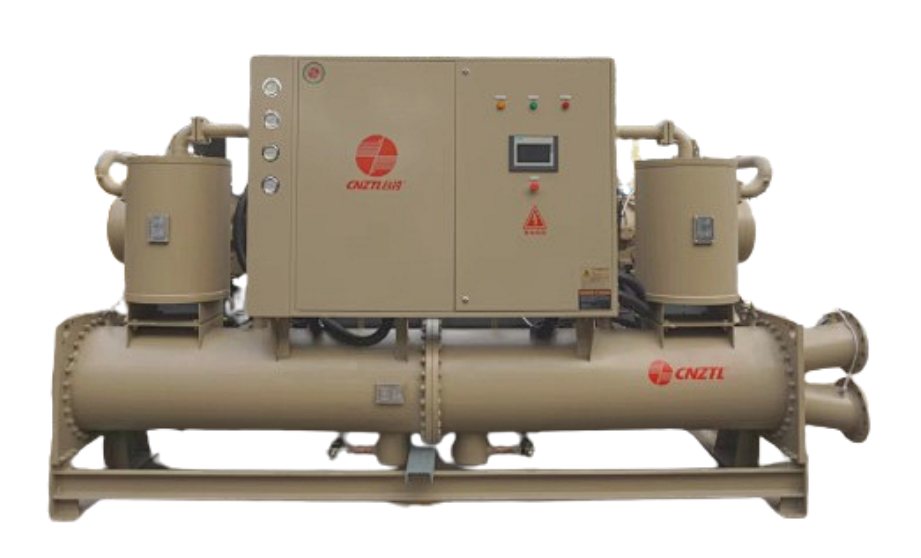
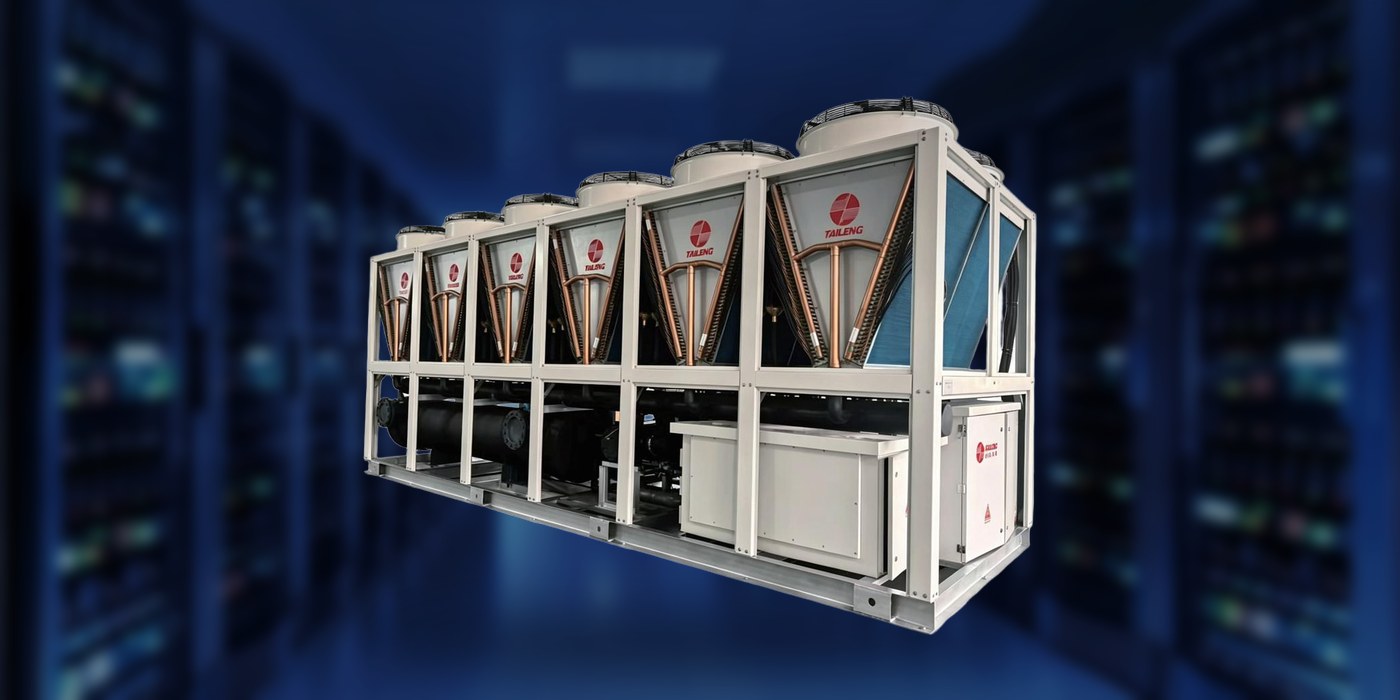
Yes. Water-cooled screw chillers, air-cooled modular units and air-cooled maglev centrifugal chillers are part of the same range as the precision room units, so the chilled-water supply temperature, the temperature difference and the part-load behaviour of the plant can be coordinated with the room equipment rather than bought as two unrelated packages.
Redundancy is a unit-count and control decision, not a badge on the datasheet. N+1 unit count lets any single machine be serviced without the room drifting out of band; dual refrigerant circuits keep part of the capacity available if one circuit trips; and automatic changeover lets a standby unit take load instead of waiting for a manual switch.
Give us the room, the kW and the band you have to hold. Our engineers will come back with a unit configuration, the airflow and control assumptions behind it, and a project-specific proposal.